Knowledge centre / Sweden
Communism
in Sweden.
From the Comintern's Swedish section to today's Young Left – and the violent left-wing extremism the Swedish Security Service monitors today. All with sources.
History 1917–today
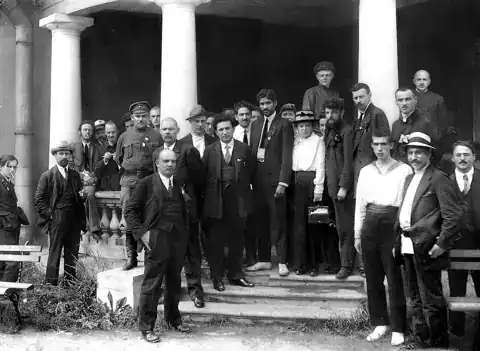
1917–1921
A party in Moscow's service
The Left Party's forerunner was founded in 1917 as the Social Democratic Left Party of Sweden, joined the Communist International (Comintern) in 1919 and in 1921 took the name Communist Party of Sweden (SKP). According to the Security Service Commission, the Comintern's 1928 programme – that power “must necessarily” be taken by force, followed by the dictatorship of the proletariat – was also the SKP's programme until 1943.
Source: SOU 2002:87, ch. 6.1 · NE: Vänsterpartiet
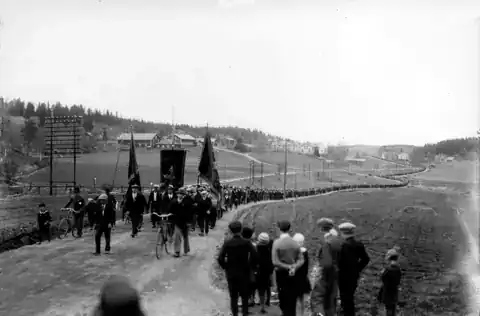
1931
Ådalen – in context
On 14 May 1931 soldiers opened fire on a demonstration in Lunde in Ådalen; five people were killed. It was a tragedy and a stain on the state. The revolutionary reading the SKP pushed afterwards was used to recruit followers – but it was the democratic labour movement, not the communists, that won the people's trust in the elections that followed.
Source: LO: The Ådalen shootings 1931 · Kramfors Municipality: Ådalen 31
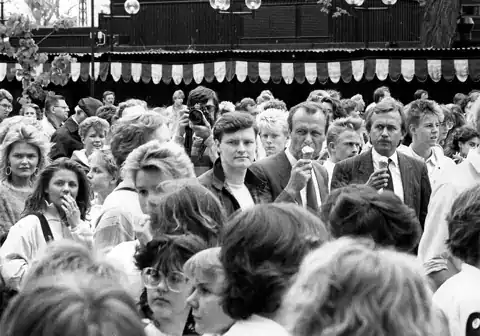
1936–1941
The Wollweber League – sabotage from Sweden
A Soviet sabotage network led by the German communist Ernst Wollweber used dynamite stolen from Swedish mines to blow up ships. Historian Wilhelm Agrell shows that the SKP was the network's most important link. The Security Police broke up the league in 1941 and eleven people were convicted.
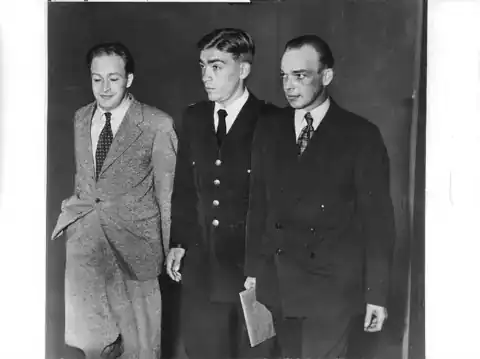
1945–1960s
A fifth column in a crisis?
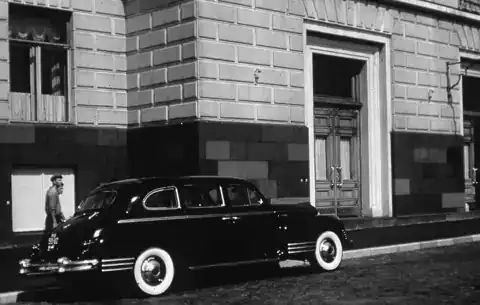
The security services saw the SKP as a possible fifth column in a war with the Soviet Union. The Commission notes that “communist-minded persons had been exposed as spies for the Soviet Union” and that the SKP had close ties to the communist dictatorships of Eastern Europe and “rejected all criticism of the Soviet system”.
Source: SOU 2002:87, summary
1949–1960s
Money from Moscow
According to the Commission, the security services held “what later proved to be well-founded suspicions that the Soviet Union contributed financially to the funding of the SKP and the communist party press”. That amounts to the crime of receiving foreign support.
Source: SOU 2002:87, summary
1948–1969
The registration
After the Prague coup of 1948 the Security Police registered communists on a large scale: according to the Commission, more than 100,000 people, “at times on flimsy grounds”. It says something about both the threat and the fact that the rule of law must apply to everyone – including in the fight against communism.
Source: SOU 2002:87, summary
1967
The VPK and the Maoists
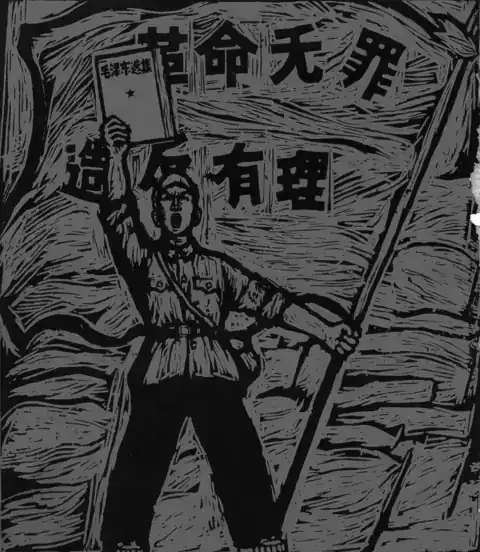
In 1967 the SKP renamed itself the Left Party – the Communists (VPK). The same year the pro-China faction broke away to form the KFML, later the SKP. According to the Commission, the KFML/SKP was suspected of receiving financial support from China, and several of the far-left revolutionary groups had contacts with foreign terrorist movements.
Source: SOU 2002:87, summary
1978
Praising Pol Pot
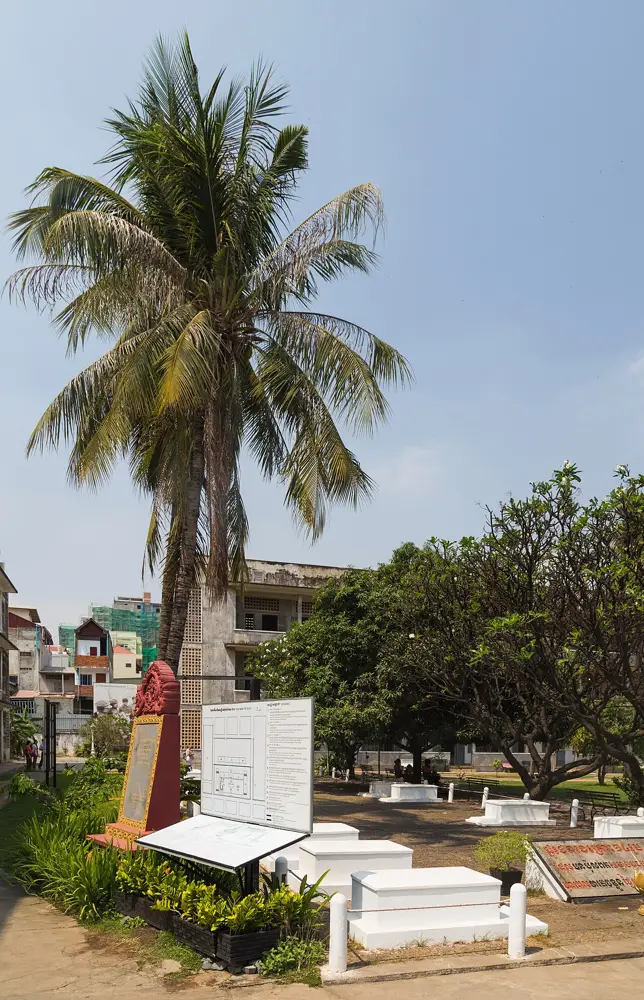
While the Khmer Rouge murdered a quarter of Cambodia's people, a delegation from the Swedish-Kampuchean Friendship Association toured the country as Pol Pot's guests and then described a country on its way to socialism. Gunnar Bergström later apologised.
Source: IPS 2008
1981
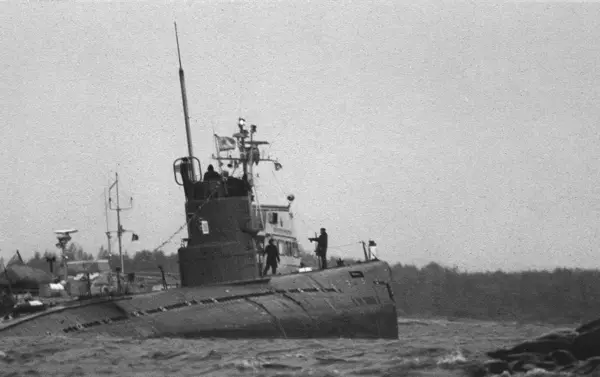
U 137 – the Soviets in Swedish waters
On 27 October 1981 a Soviet submarine ran aground in Gåsefjärden, inside a military restricted zone outside Karlskrona.
Source: Naval Museum via DigitaltMuseum

1990
The word goes – the party stays
After the fall of the Berlin Wall, the VPK dropped the word “Communists” in 1990 and became the Left Party. It is the same organisation, with the same history since 1917.
Source: NE: Vänsterpartiet

2021
Young Left today
The Left Party's youth wing writes in its manifesto of principles: “Our goal is a classless society, free from oppression – a communist society.”
Today and in the past
Violent left-wing extremism
Violence in the name of politics is unacceptable – whichever side it comes from. Here we describe left-wing extremism as the authorities themselves do. We name no individuals.
The definition
The Swedish Security Service monitors three violent extremist milieus in Sweden: the Islamist, the far-right and the far-left. What they share is that they “see crime as a legitimate part of the struggle for a different social order”.
Source: Säpo: Violent extremism
The autonomous milieu
In 2009 the National Council for Crime Prevention (Brå) and Säpo described the autonomous milieu – today called the violent far-left milieu – as having “the classless society as its vision”, where violence and other crimes are “accepted as part of the political struggle”.
Source: Brå 2009:15
AFA
According to Brå 2009:15, AFA's overarching aim is “to abolish the prevailing social order and the state through revolution”, and the concept of anti-fascism is interpreted so broadly that it includes struggle against authorities, elected officials and companies.
Source: Brå 2009:15, p. 45
Revolutionary Front (Revolutionära fronten)
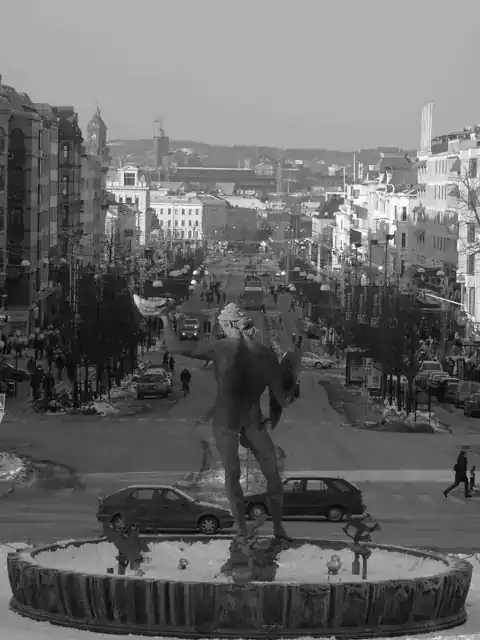
Revolutionary Front grew out of AFA after the EU summit in Gothenburg in 2001 and, according to the Swedish Centre for Preventing Violent Extremism (CVE), was active until 2015. Its aim was to abolish the social order through revolution.
Source: Brå 2009:15 · CVE: The autonomous milieu
Gothenburg 2001
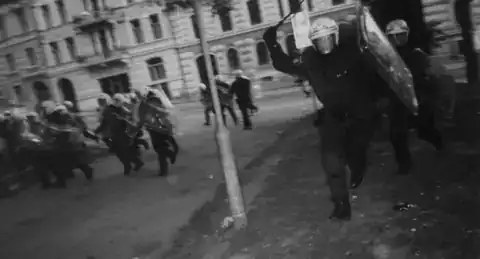
Brå describes the riots at the EU summit in Gothenburg in June 2001 as a turning point: before the riots the autonomous milieu had relatively strong support within a broad left; after new revelations of violence and crime, the groups became more isolated.
Source: Brå 2009:15
The convictions
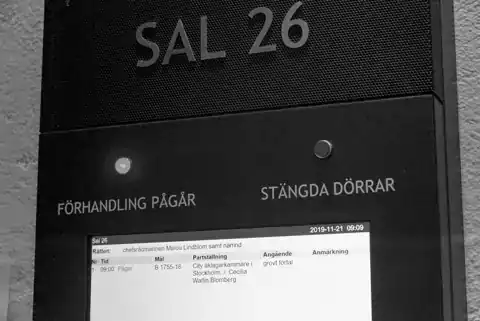
According to CVE, one person from the milieu was sentenced to a long prison term for attempted manslaughter after Kärrtorp in 2013, and 13 people with links to the milieu were convicted of violent rioting after Kungsträdgården in 2015.
Source: CVE: The autonomous milieu
Mapping opponents
CVE describes how, since the early 1990s, the milieu has mapped political opponents and published home addresses, photos and personal identity numbers – using both legal and illegal methods, “from monitoring trials to computer intrusion”.
Source: CVE: The autonomous milieu
No to communism.
We are young people saying no – with facts, not violence.
Join – it's free