Knowledge centre
Communism's
crimes against
humanity.
More than a hundred million people were killed by communist regimes in the 20th century. This is their story – country by country, with sources. So that it never happens again.
The figure of 100 million: Courtois et al., The Black Book of Communism (1997); the same estimate is made by the Victims of Communism Memorial Foundation.
New in depth
Communism in Sweden
The SKP, the Wollweber League, the Moscow money, the VPK, the Maoists – and today's left-wing extremism.
Read about SwedenTimeline
- 1917The Bolshevik coup
- 1932Holodomor
- 1940Katyn
- 1941First deportation from the Baltics
- 1949Operation Priboi
- 1956Hungary
- 1958The Great Leap Forward
- 1961The Berlin Wall
- 1966The Cultural Revolution
- 1975The Khmer Rouge take Phnom Penh
- 1977The Red Terror in Ethiopia
- 1989Tiananmen Square · The Wall falls
- 2021The protests in Cuba
- TodayNorth Korea, Xinjiang, Venezuela
The stories
1917–1953 · Soviet Union
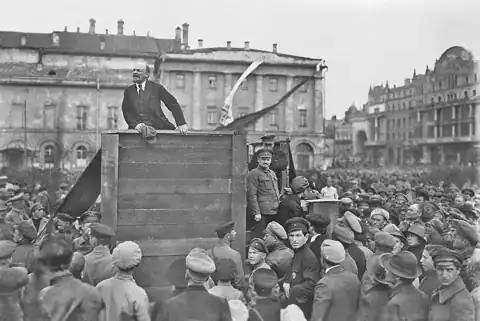
Lenin and the Red Terror
The Bolsheviks seized power in 1917 and within weeks created the secret police, the Cheka. During the civil war came hostage-taking, summary executions and the first camps – the foundation for everything that followed.
Source: Britannica: Cheka
Read more at Victims of Communism →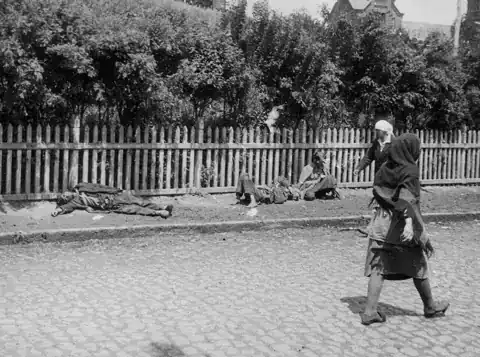
1932–1933 · Ukraine
Holodomor – famine as a weapon
Forced collectivisation and impossible grain quotas led to famine in Ukraine. Villages that missed their quotas were blacklisted and peasants were prevented from leaving. Demographers estimate around 3.9 million excess deaths in Ukraine.
Source: Rudnytskyi et al., Canadian Studies in Population 2015 · Britannica: Holodomor
Read more at Victims of Communism →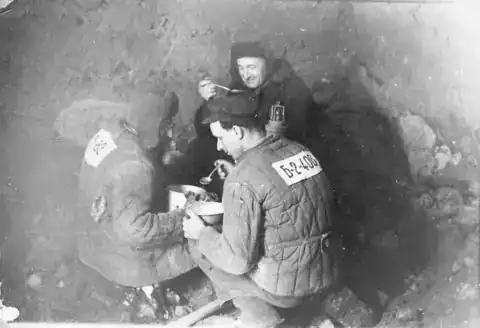
1930–1953 · Soviet Union
Gulag
A network of forced-labour camps from the White Sea to Kolyma. In 1936 around five million people were held in the camps, and the level stayed there until Stalin's death in 1953. Western scholars estimate that 1.2–1.7 million died in the Gulag between 1918 and 1956 – prisoners for “counter-revolution”, a joke or a relative's “crime”.
Source: Britannica: Gulag
Read more at Victims of Communism →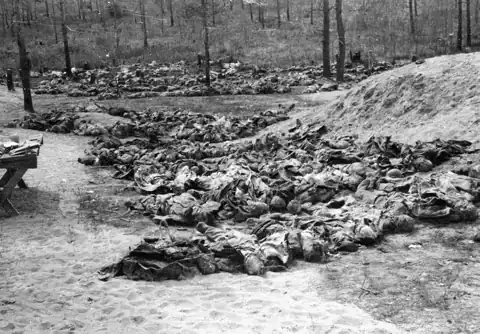
1940 · Poland
Katyn
In spring 1940 the NKVD shot some 22,000 Polish officers, police and intellectuals. The Soviet Union blamed Germany for almost 50 years and only admitted it in 1990.
Source: Britannica: Katyn Massacre
Read more at Victims of Communism →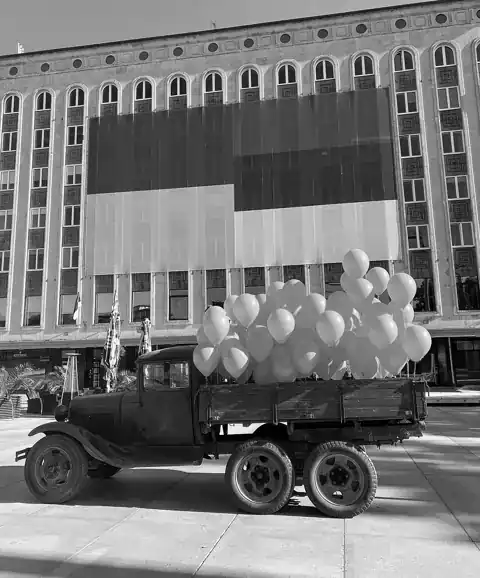
1941 & 1949 · The Baltics
The deportations
In June 1941 and March 1949, tens of thousands of Estonians, Latvians and Lithuanians were deported in cattle wagons to Siberia. In Operation Priboi in 1949 alone, nearly 100,000 were taken – many of them children and the elderly. That is why thousands of Balts fled across the Baltic to Sweden in 1944.
Source: VOC: Baltics · Britannica: Baltic states – Soviet occupation
Read more at Victims of Communism →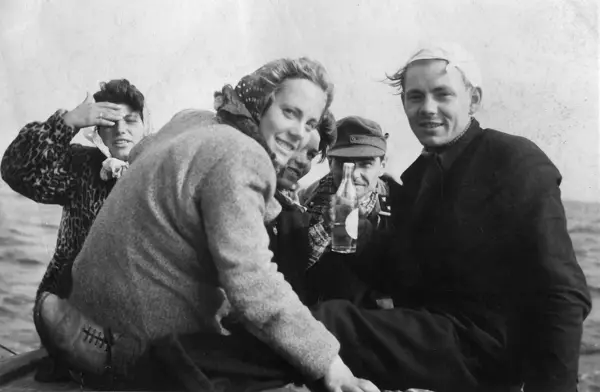
1944 · Estonia, Latvia, Sweden
Escape across the Baltic
When the Red Army returned in 1944, thousands of Estonians and Latvians fled across the Baltic in small boats to Sweden, among other places to Dalarö in the Stockholm archipelago. They knew what Soviet rule meant – the deportations of 1941 had already struck their neighbours.
Source: Britannica: Estonia · Archive photo: Ellen at Dalarö, 24/9/1944
1956 · Hungary
The Hungarian Uprising
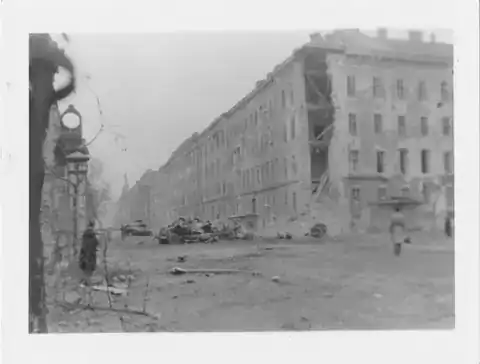
Hungarians rose up against the Soviet-controlled regime in autumn 1956. Soviet tanks crushed the uprising; some 2,500 Hungarians were killed and around 200,000 fled the country. Prime Minister Imre Nagy was executed in 1958.
Source: Britannica: Hungarian Revolution
Read more at Victims of Communism →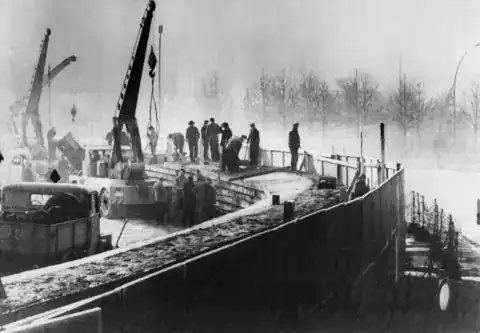
1961–1989 · Germany
The Berlin Wall
East Germany built the Wall to stop its own citizens from fleeing. At least 140 people were killed at the Wall in Berlin, most of them shot by border guards.
Source: Berlin Wall Foundation – Victims
Read more at Victims of Communism →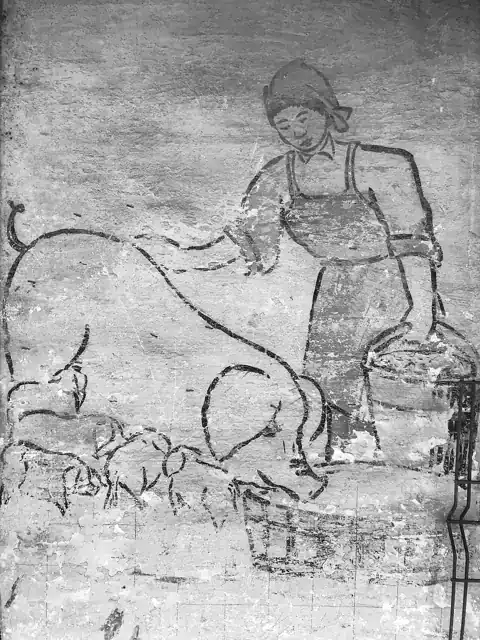
1958–1962 · China
The Great Leap Forward
Mao's plan to overtake Britain within a few years ended in the deadliest famine in history. Historian Frank Dikötter estimates at least 45 million premature deaths; other scholars give lower figures, but all count in the tens of millions.
Source: Dikötter, Mao’s Great Famine (2010)
Read more at Victims of Communism →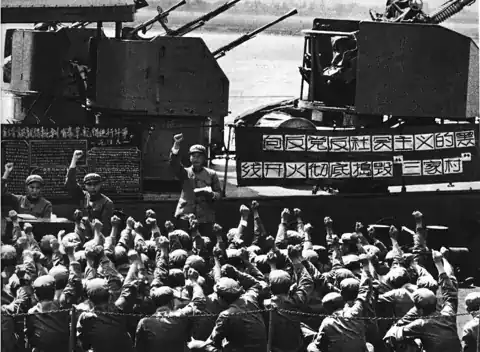
1966–1976 · China
The Cultural Revolution
Red Guards humiliated, tortured and killed teachers, “class enemies” and fellow party members. Sociologists Walder and Su estimate 750,000–1.5 million deaths in the countryside alone.
Source: Walder & Su, The China Quarterly 2003 · Britannica: Cultural Revolution
Read more at Victims of Communism →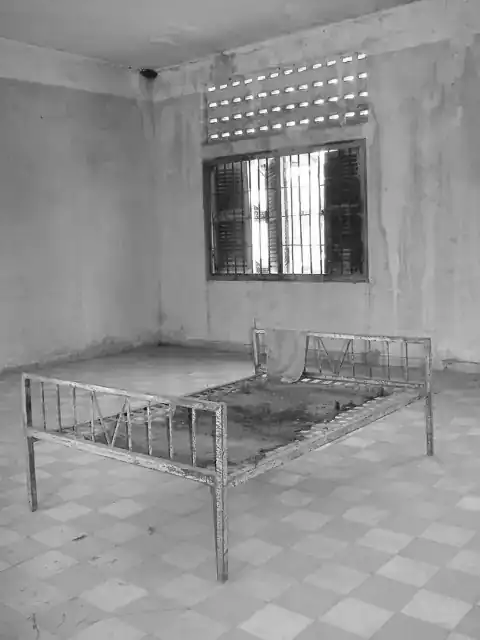
1975–1979 · Cambodia
The Khmer Rouge
Cities were emptied; money, religion and family life were abolished. Around 1.7 million people – almost a quarter of the population – died from executions, starvation and slave labour. In the S-21 prison (Tuol Sleng) only a handful of thousands of prisoners survived.
Source: Yale Cambodian Genocide Program
Read more at Victims of Communism →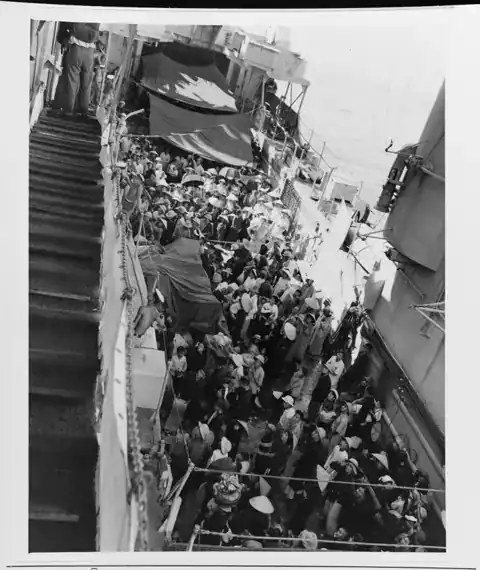
1975–1995 · Vietnam
The boat people
After the communist victory, hundreds of thousands were sent to “re-education camps” and hundreds of thousands fled in overcrowded boats across the South China Sea – many drowned or were robbed by pirates.
Source: UNHCR: The State of the World’s Refugees 2000, ch. 4
Read more at Victims of Communism →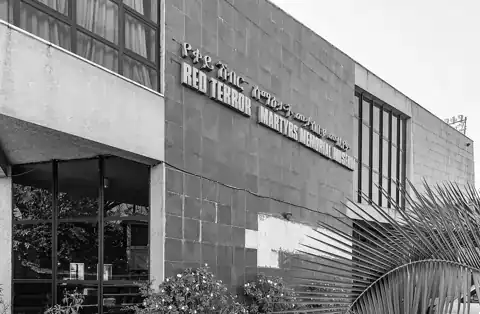
1977–1978 · Ethiopia
The Red Terror
The Derg military junta, ruling on Marxist-Leninist principles, crushed real and alleged opponents in 1977–78. According to Britannica, up to 100,000 people were killed and thousands tortured or imprisoned. The junta's leaders were convicted of genocide by an Ethiopian court in 2006–2008.
1989 · China
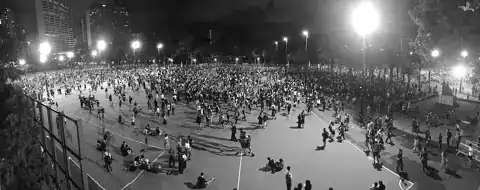
The Tiananmen Square massacre
On the night of 4 June 1989 the army opened fire on unarmed protesters in Beijing. How many were killed is still unknown because the party forbids any scrutiny – estimates range from hundreds to thousands.
Source: Britannica: Tiananmen Square incident
Read more at Victims of Communism →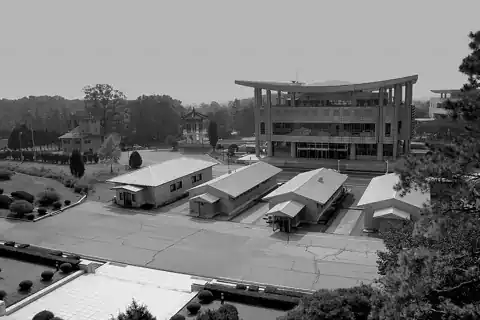
1948–today · North Korea
North Korea
In 2014 a UN Commission of Inquiry found that the regime commits crimes against humanity – including extermination, enslavement, torture and starvation. An estimated 80,000–120,000 political prisoners are held in camps.
Source: UN Commission of Inquiry (COI) 2014
Read more at Victims of Communism →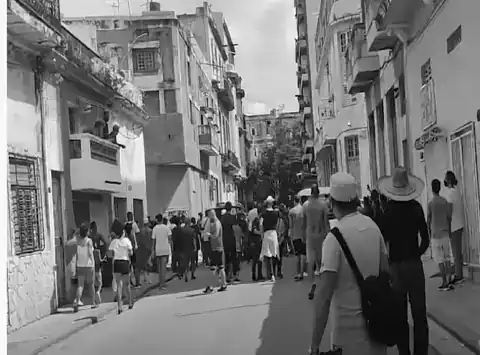
1959–today · Cuba
Cuba
A one-party state since 1959. After the nationwide protests of 11 July 2021, Human Rights Watch documented arbitrary arrests, beatings and sham trials against hundreds of protesters.
Source: Human Rights Watch: Prison or Exile (2022)
Read more at Victims of Communism →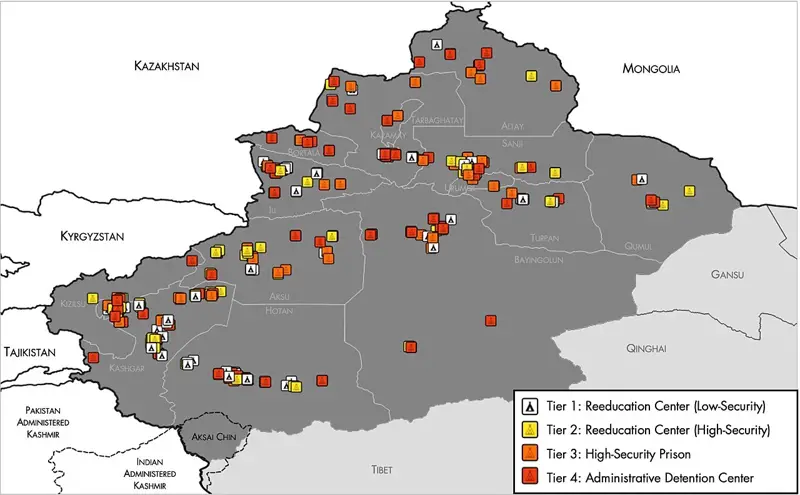
2017–today · China
The Uyghurs of Xinjiang
According to researchers, more than a million Uyghurs and other Muslims have been locked up in camps. In 2022 the UN Human Rights Office concluded that the abuses may constitute crimes against humanity.
Source: OHCHR: Assessment on Xinjiang (2022)
Read more at Victims of Communism →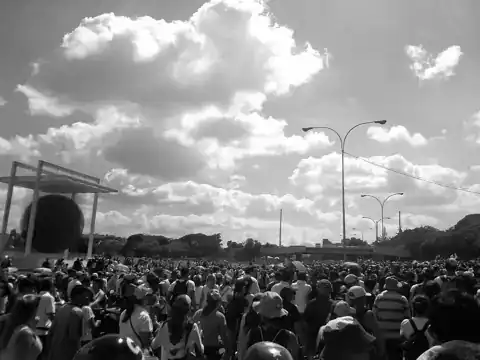
1999–today · Venezuela
Venezuela – 21st-century socialism
Chávez and Maduro's “socialism of the 20th century” for the 21st century led to collapse. In 2020 a UN fact-finding mission found reasonable grounds to believe crimes against humanity had been committed, and more than seven million Venezuelans have left the country.
Source: UN Fact-Finding Mission on Venezuela (2020) · R4V – the UN platform for refugees from Venezuela
Read more at Victims of Communism →
Testimonies
Hear those who survived.
Numbers can become abstract. People never do. Victims of Communism's Witness Project has filmed survivors from the Soviet Union, China, Cuba, Vietnam, Venezuela and Eastern Europe. Start here:
Read more at Victims of Communism
Go deeper.
The Victims of Communism Memorial Foundation was established in 1993 by a unanimous Act of the US Congress and runs a museum, research and education on the history of communism. Much of the inspiration for this knowledge centre comes from there.
Remembering is our responsibility.
We are young people saying no to communism.
Join – it's free