Ungdom mot kommunism (UMK – Youth Against Communism) is the youth movement uniting young people against communism, through school and campus events, themed evenings, training sessions and campaigns in Sweden. Membership is free if you're under 26.
Our core is at universities and colleges. There, our members shape opinion in local campus groups and challenge communist ideas among students.
We run school and campus events, themed evenings and training sessions on what communist regimes have actually done, and we campaign against communism in Sweden.
We stand on conservative values, are independent of all parties and reject every movement that works against the fight against communism.
New report · November 2026
Kommunismens återkomst i väst
The ideas, the violence and freedom in our time
Communism is again being presented as a promise, revolutionary party programmes live on, and parts of the radical left have significant support among young people. At the same time, communist party-states continue to restrict people's freedom. This report examines these developments and the political crime found in some radical-left milieus, as well as Sweden's relationship with democratic Taiwan. 33 pages.
The Communist Party of Sweden was founded in 1919 as a section of the Comintern. In 1967 it renamed itself the Left Party – the Communists (VPK), keeping the word “Communists” until 1990. The security services long suspected Soviet funding; the government inquiry concluded that the SKP “probably received foreign subsidies”.
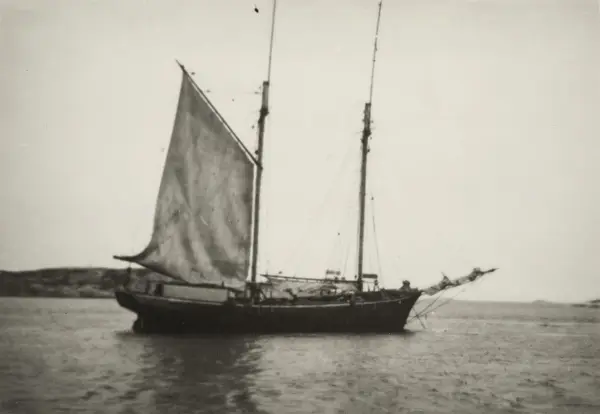
As the Red Army returned, thousands of Estonians and Latvians fled to Sweden in small boats. They knew what Soviet rule meant – the deportations of 1941 had already struck their neighbours.
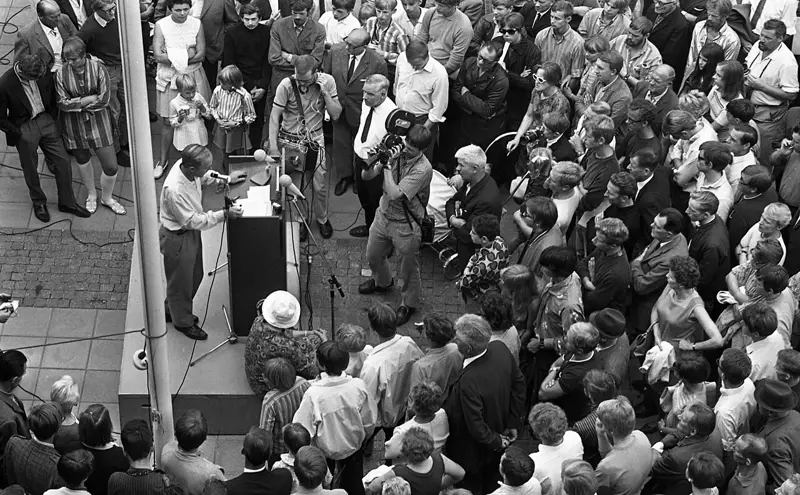
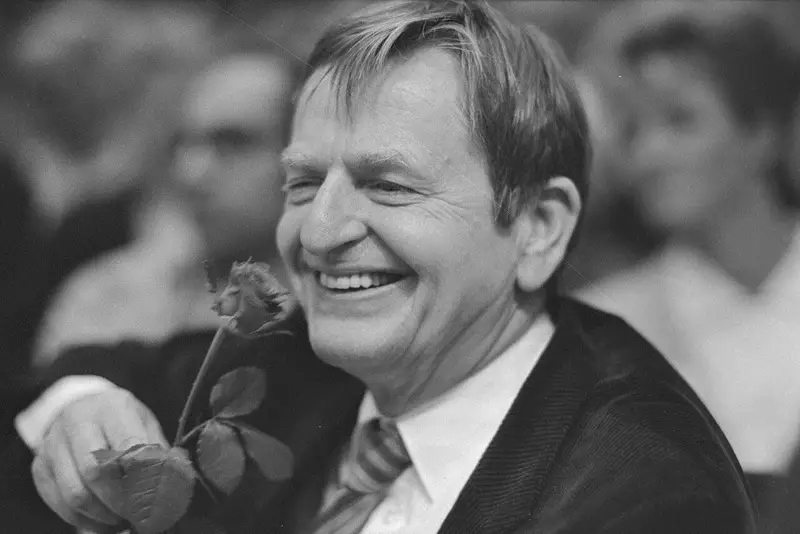
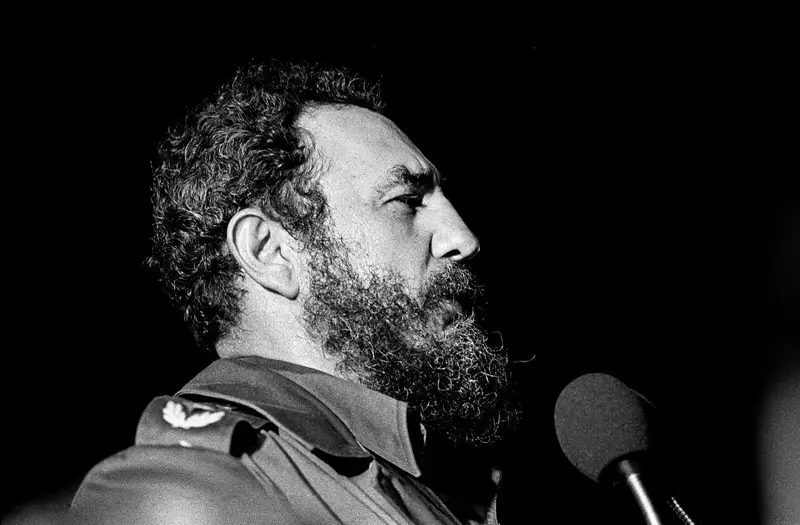
In June 1975, Prime Minister Olof Palme made an official visit to Castro's Cuba. He addressed a mass rally in Santiago de Cuba with the dictator at his side – in a country without free elections, a free press or independent trade unions.
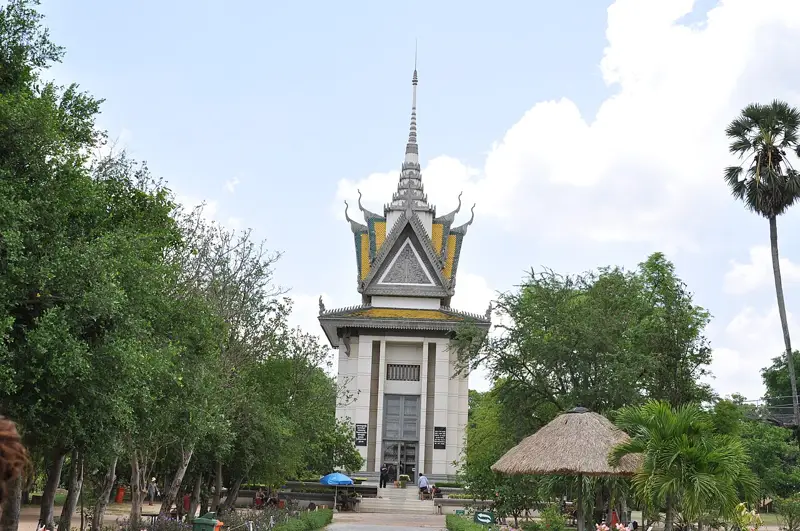
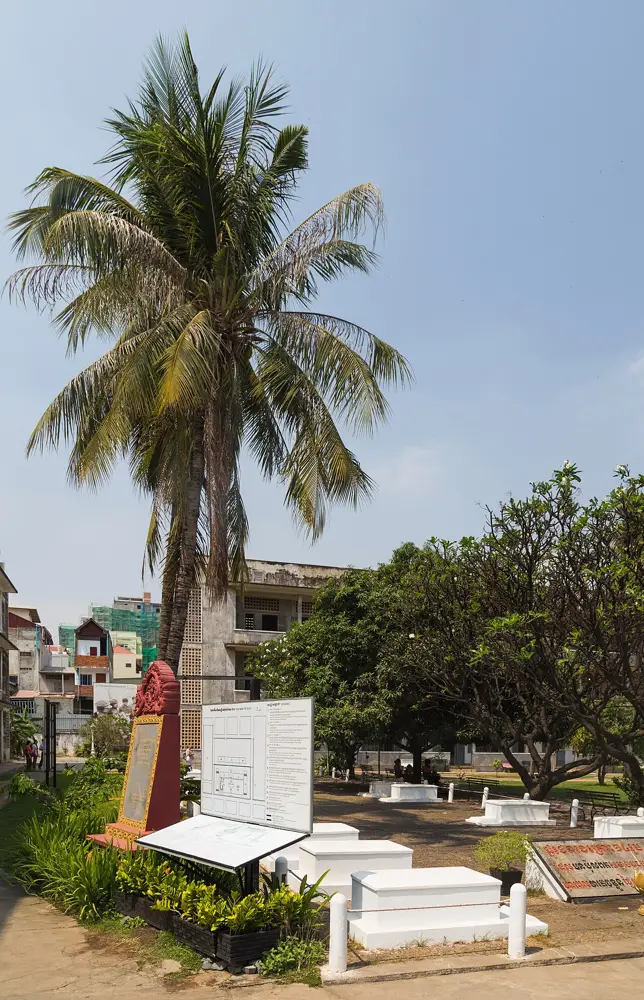
The Khmer Rouge emptied the cities and drove the population into labour camps. Around 1.7 million people – roughly a fifth of Cambodia's population – died from executions, starvation and forced labour.
In August 1978 a delegation from the Swedish-Kampuchean Friendship Association – among them Jan Myrdal and Gunnar Bergström – toured Pol Pot's Kampuchea and dined with Pol Pot. Back home in Sweden they described a country on its way to socialism. Bergström later apologised; Myrdal never changed his position.
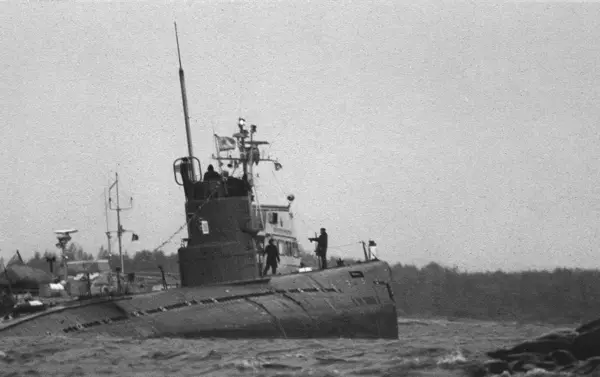
On 27 October a Soviet submarine ran aground in Gåsefjärden, inside a Swedish military restricted zone outside Karlskrona. The threat was never abstract – it lay in our own waters.
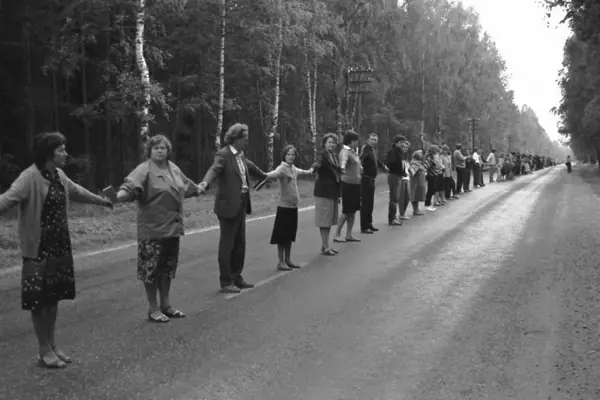
Around two million people joined hands in a chain of some 675 km through Estonia, Latvia and Lithuania. Two years later the countries were free and the Soviet Union had dissolved.
Young Left (Ung Vänster), the youth wing of Sweden's Left Party, writes in its manifesto of principles: Our goal is a classless society, free from oppression – a communist society. The organisation says it distances itself from China and North Korea – yet it has chosen to keep the word.
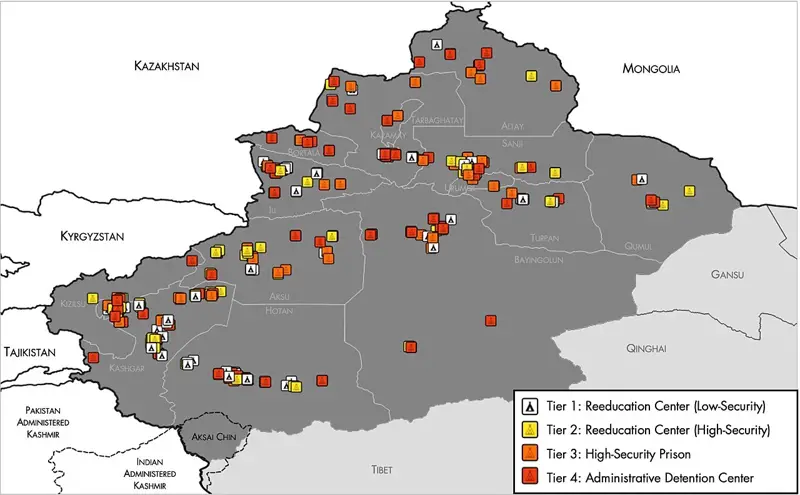
China has interned Uyghurs in camps in Xinjiang (UN Human Rights Office, 2022). A UN Commission of Inquiry found crimes against humanity in North Korea (2014). In Cuba, hundreds of protesters were imprisoned after the July 2021 protests (Human Rights Watch).